

Mobile Crusher vs. Stationary Crusher: Which Crushing Solution Is Right for Your Project?
When planning a crushing project, one of the first decisions is whether to invest in a mobile crusher or a stationary crushing plant.
Both solutions are widely used in mining, quarrying, construction, and aggregate production. However, they are designed for different working conditions and production requirements.
In this guide, we compare the advantages, applications, and key differences between mobile crushers and stationary crushing plants to help you make the right decision.
What Is a Mobile Crusher?
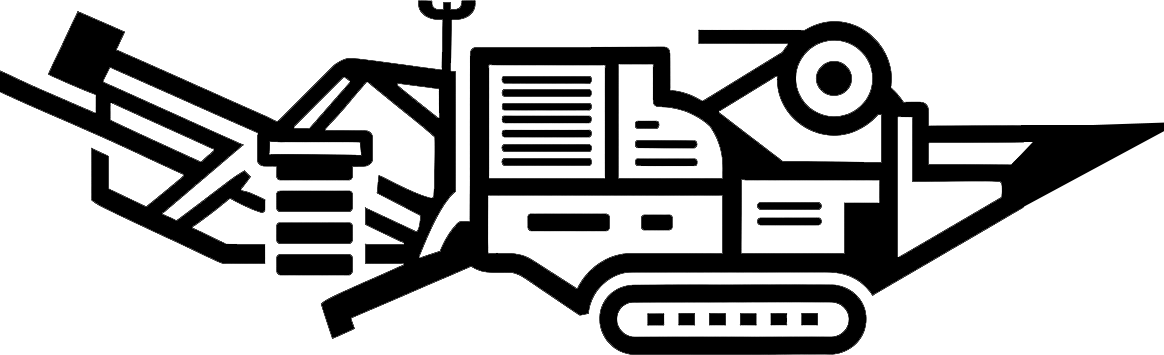
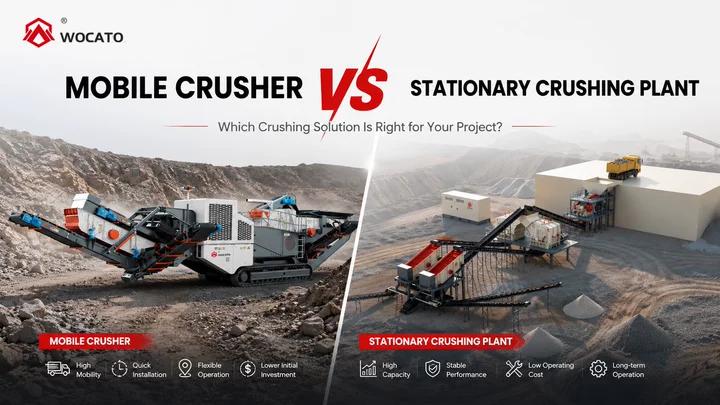
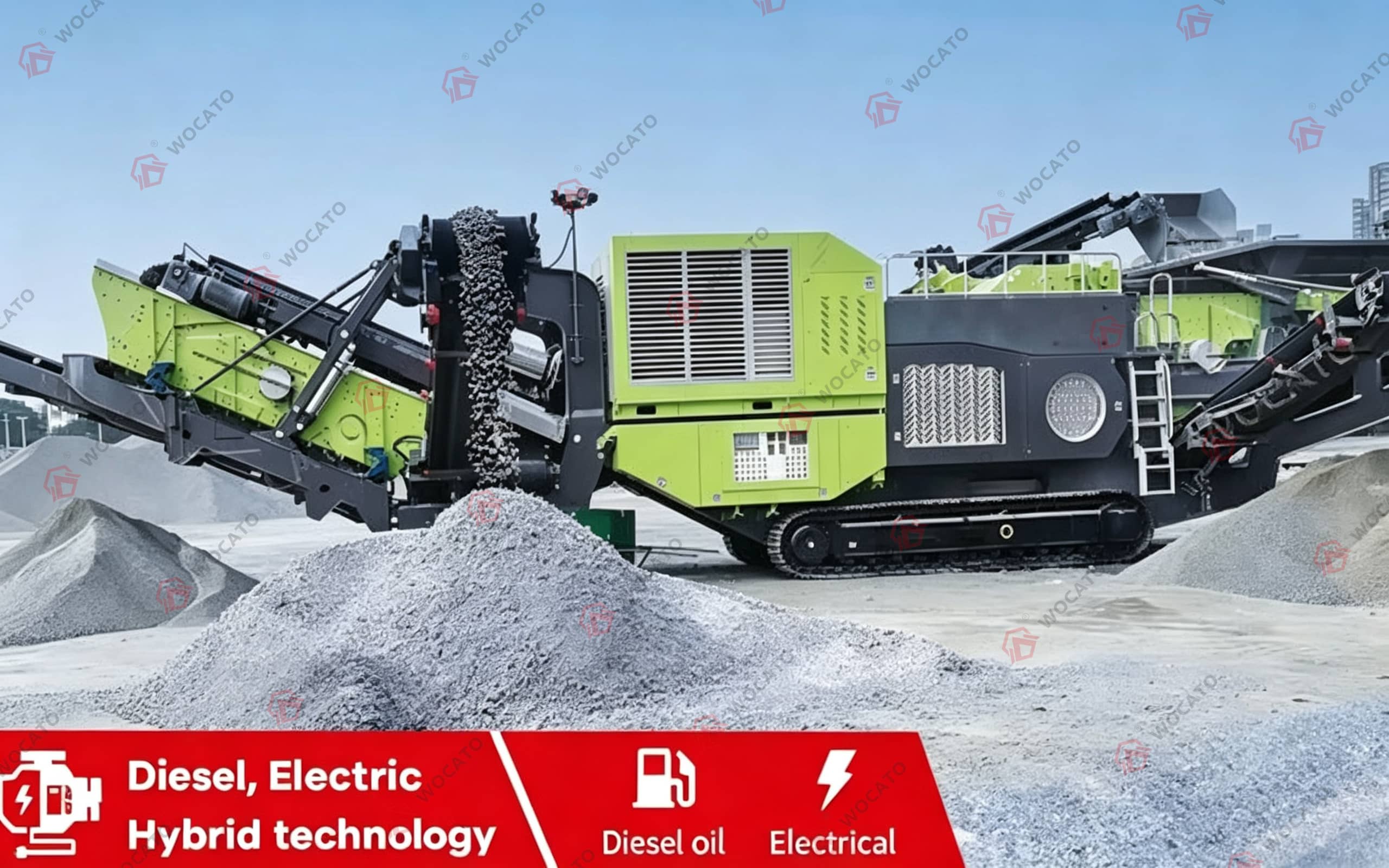
A mobile crusher is a complete crushing system mounted on a tracked or wheeled chassis. Unlike traditional fixed installations, mobile crushers can move directly to the working site, reducing transportation costs and improving operational flexibility.
Mobile crushing plants are widely used for:
Quarry operations
Mining projects
Road construction
Construction waste recycling
Infrastructure projects
Temporary crushing sites
Their biggest advantage is mobility, allowing operators to relocate equipment quickly as project requirements change.
What Is a Stationary Crushing Plant?
A stationary crushing plant is permanently installed at a fixed location and is designed for continuous, high-capacity production.
Unlike mobile crushers, stationary plants usually consist of multiple crushing, screening, and conveying systems working together to produce aggregates of different sizes.
They are commonly used in:
Large quarries
Aggregate production plants
Cement plants
Long-term mining projects
Industrial stone processing facilities
Stationary plants generally provide higher production capacity and lower operating costs for long-term operations.

Mobile Crusher vs. Stationary Crusher: Key Differences
Although both systems perform the same basic crushing function, they are designed for different production environments.
Feature | Mobile Crusher | Stationary Crushing Plant |
Mobility | Excellent | Fixed Installation |
Installation Time | Fast | Longer |
Civil Construction | Minimal | Required |
Production Capacity | Medium to High | High to Very High |
Relocation | Easy | Difficult |
Initial Investment | Lower | Higher |
Best For | Temporary Projects | Permanent Operations |
Choosing the right solution depends on your production goals, project duration, and site conditions.
Advantages of Mobile Crushers
Mobile crushers offer several important benefits:
Fast installation and commissioning
Flexible relocation between job sites
Reduced transportation costs
Lower civil engineering requirements
Compact design
Ideal for temporary projects and contract crushing
For contractors and projects that frequently change locations, mobile crushers provide excellent flexibility and efficiency.
Advantages of Stationary Crushing Plants
Stationary crushing plants are preferred for long-term aggregate production because they offer:
Higher production capacity
Stable continuous operation
Lower operating cost per ton
Easy integration with multiple processing stages
Better scalability for future expansion
High production efficiency
For large quarries and mining operations, stationary plants often deliver the best long-term return on investment.
Which Crushing Solution Should You Choose?
The right choice depends on your project requirements.
A mobile crusher is generally the better option if:
Your project location changes frequently.
Fast installation is important.
You need a flexible crushing solution.
Civil construction should be minimized.
A stationary crushing plant is typically the better choice if:
Your project is expected to operate for many years.
High production capacity is required.
Lower long-term operating costs are a priority.
Future production expansion is planned.
Instead of asking which machine is better, the more important question is which solution best matches your production goals.
Can Mobile and Stationary Crushing Solutions Work Together?
Yes.
Many modern crushing projects combine both systems to maximize efficiency.
For example, a mobile crusher may perform primary crushing close to the excavation area, while a stationary plant completes secondary crushing, screening, and aggregate processing.
This combination reduces transportation costs while maintaining high production efficiency.
Conclusion
Both mobile crushers and stationary crushing plants have unique advantages.
Mobile crushers offer excellent flexibility, rapid deployment, and convenient transportation, making them ideal for temporary projects and frequently changing job sites.
Stationary crushing plants provide higher production capacity, lower operating costs, and greater long-term stability, making them the preferred choice for permanent quarry and mining operations.
Before making a purchasing decision, carefully evaluate your material characteristics, production capacity, project duration, available space, and future expansion plans. Selecting the right crushing solution can significantly improve productivity while reducing operating costs over the life of your project.

